J–R
Section II of Your Personal Art Glossary

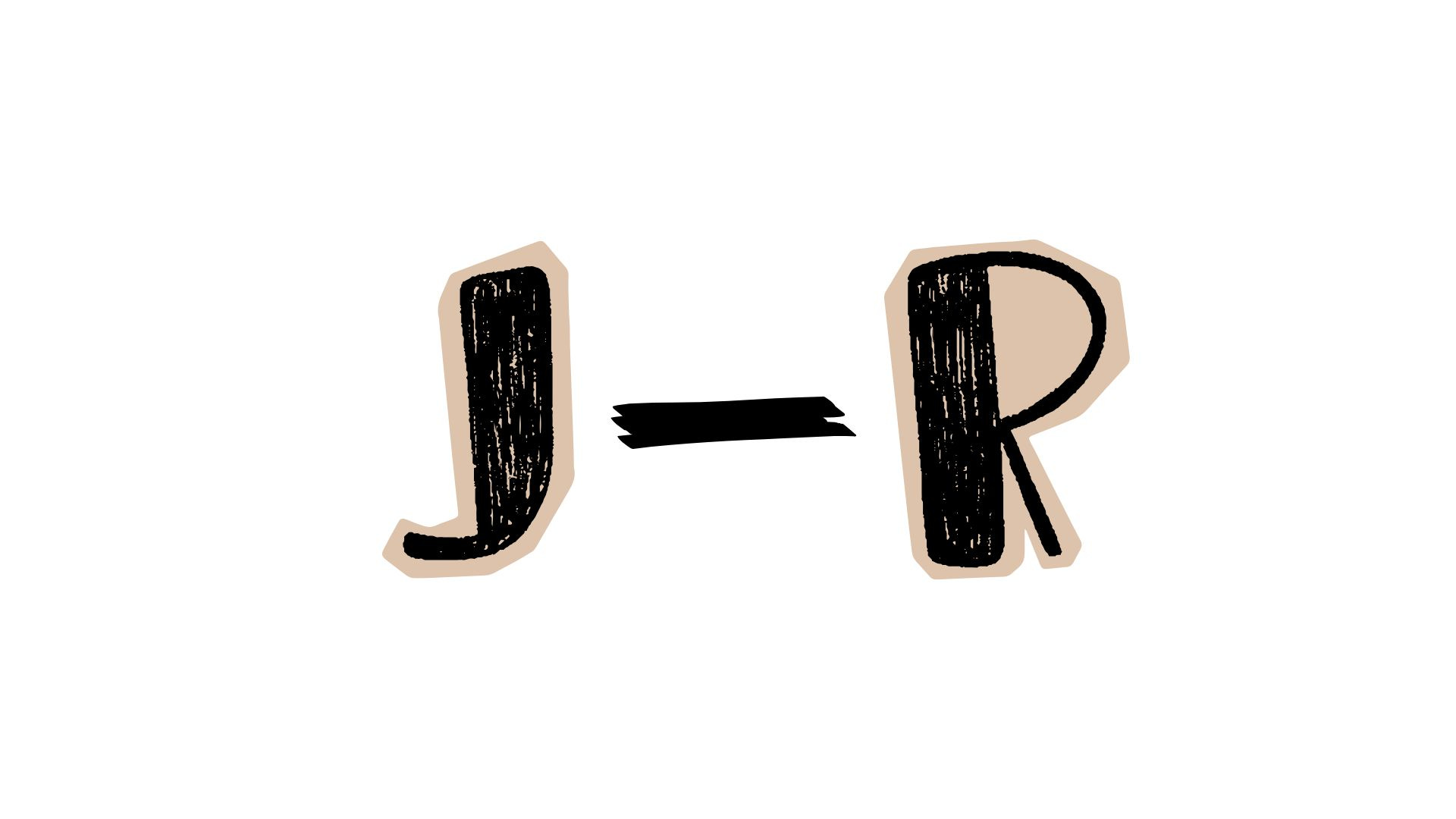
Kitsch: Originally used to describe art or objects considered in “poor taste,” kitsch has come to be associated with mass-produced, overly decorative, or sentimental imagery tied to consumer culture. Today, many contemporary artists use kitsch deliberately to blur the line between “high” and “low” art, often embracing nostalgia, exaggeration, or so-called bad taste.
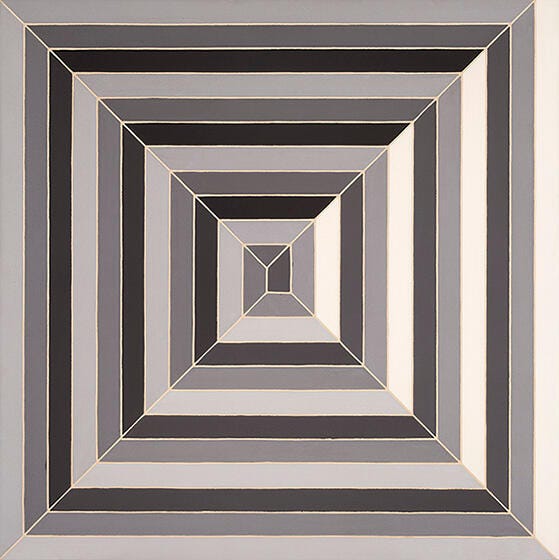
Minimalism: A primarily American art movement that emerged in the 1960s, defined by simple geometric forms and a lack of representational content. Minimalist artists often used industrial materials like steel, fiberglass, and aluminum, and relied on systems or mathematical structures to shape their compositions.
Œuvre: A French term used in art history and criticism to describe the complete body of work created by an artist over their lifetime.
Pastiche: A work of art, literature, music, or architecture that intentionally imitates the style of another artist, period, or genre—usually as a form of homage rather than parody.
Pieta: A subject in Christian art depicting the Virgin Mary holding the dead body of Christ after the Crucifixion. It is most often shown in sculpture or painting and emphasizes grief, devotion, and maternal sorrow.
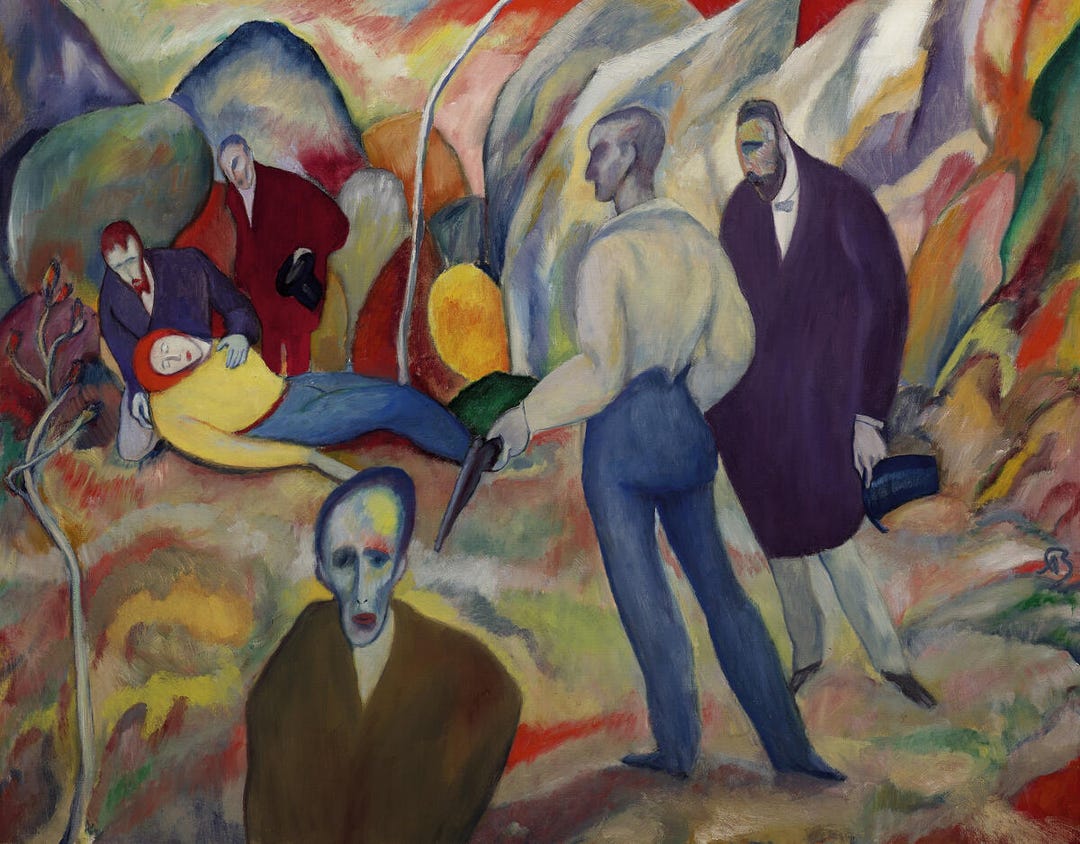
Albert Bloch (1882-1961), “Duell (Duel),” 1912, oil on canvas, 39 3/8 x 50 1/4 in. Art Bridges. Proof: A preliminary print made during the printmaking process to check the image before the final edition is produced. Proofs allow artists to review and adjust the work.
Provenance: The documented history of an artwork’s origin and ownership over time. It is essential in establishing authenticity and tracing a work’s journey.
Quadratura: A painting technique that uses perspective to create the illusion of architectural space, often extending real architecture into imagined columns, arches, or ceilings. Commonly used in Baroque ceiling paintings to make spaces appear larger and more expansive.
Recto / Verso: Recto refers to the front side of a sheet (such as paper or a print), while verso refers to the back. In works on paper, both sides may contain drawings, notes, or images.